
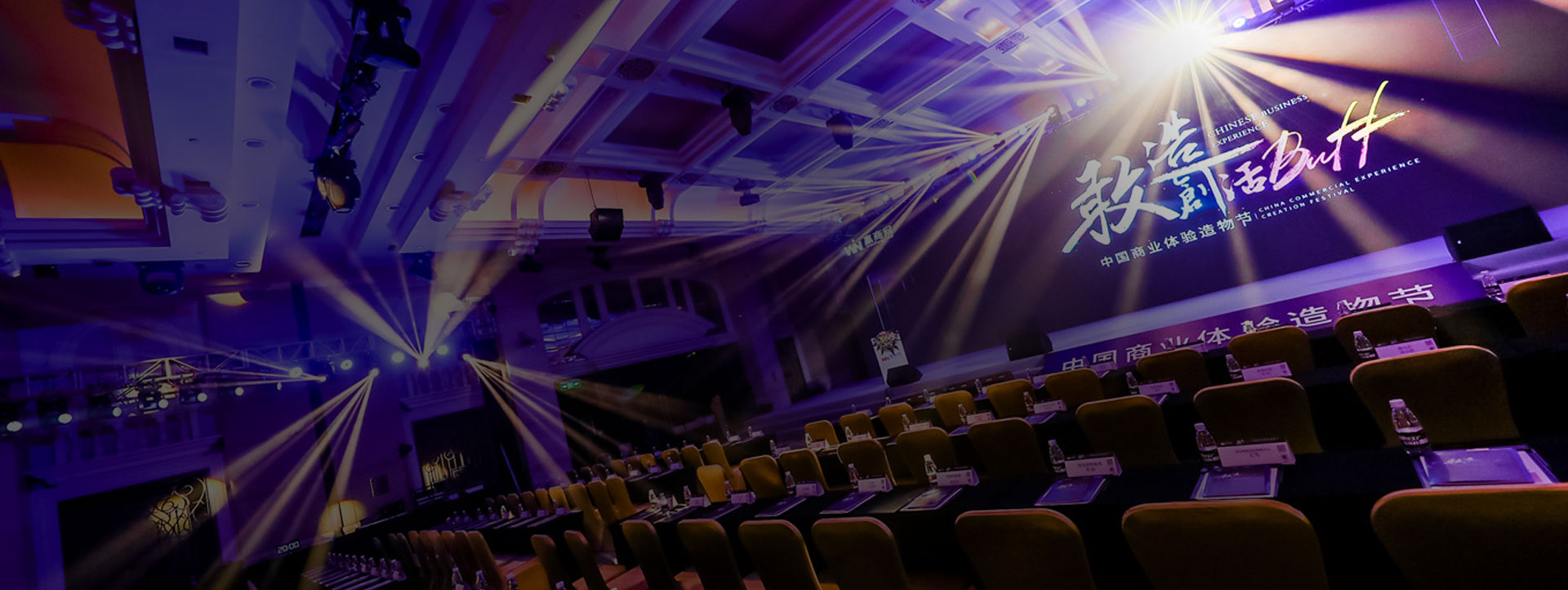
01Start with the brief: what must the annual meeting achieve
\nMany briefs open with “what format should the annual meeting take?” But format is an outcome, not a starting point. Answer three questions first:
\n| Question to answer | What it determines |
|---|---|
| What needs reviewing this year | How long the meeting segment runs, who speaks and for how long |
| Who to recognize | Award categories, presentation order, number of people on stage |
| How staff want to unwind | Dinner format, entertainment style, interactive segments |
Treating the annual meeting as “a review session plus dinner”. The meeting runs until 8 p.m., the gala feels like overtime and staff spend the night on their phones.The meeting and the gala need separate pacing—even in the same ballroom.
02Timeline: from T-90 to T-1
\nAnnual meetings usually cluster in the one or two months before Chinese New Year, when venue and supplier availability is tightest. Work backward from the event date.
\nT-90: Set the frame
- Confirm the date window, city and expected headcount
- Set the budget range and priorities for each workstream
- Start venue scouting (space is scarce before Chinese New Year—the earlier the better)
T-60: Lock the venue and team
- Sign the venue contract and obtain floor plans and power capacity
- Appoint the planning and production team
- Confirm the theme direction and overall tone
T-45: Lock the content
- Finalize the agenda framework (how long the meeting, awards and gala segments each run)
- Confirm award categories and the winners list
- Set performance formats and rehearsal schedules for participants
T-30: Lock production
- Finalize stage design and place material orders
- Begin producing video and PPT content
- Confirm the host and draft the script
T-14: Lock the details
- Finalize all videos, music and PPTs
- Finalize the rundown and confirm role assignments
- Start full rehearsals for staff performances
T-3 to T-1
- Load-in, build and equipment testing
- Full rehearsal (including awards walk-throughs and staff performance blocking)
- Confirm contingency plans
03Venue: count heads first, then choose the space
\nThe most common venue mistake is sizing a room by its theatre-style seat count. An annual meeting needs round tables for dinner, a stage and space for staff entrances and exits—so usable area shrinks fast.
\n| What to check | Why it matters |
|---|---|
| Number and layout of round tables | A ten-person round needs far more space than theatre seating, plus clear main aisles |
| Stage dimensions | Staff performances, award lines and executive positions all use the stage; too small and it gets crowded |
| Ceiling height and rigging points | Determines how tall the stage design can be and whether lights and scenery can hang. Most exhibition-hall hotels do not allow drilling into the ceiling |
| Power capacity | Total load for lighting, LED screens and audio must be declared in advance |
| Are haze machines allowed? | Most indoor venues have smoke detectors and do not permit haze—yet many stage designs assume smoke effects |
| Parking spaces | Usually only about 30% of the attendee count; it varies by venue and must be confirmed one by one |
Haze machines. Adding smoke to a stage design is common, but most hotel ballrooms won't allow it. Confirm before sign-off, or you will be changing lighting looks on rehearsal day.
04Agenda: design the meeting and gala segments separately
\nRunning three agendas in one evening is the fastest way to lose control. The sound approach is to split the night into three segments, each with its own rhythm.
\n| Segment | Core task | Pacing |
|---|---|---|
| Meeting segment (about 60–90 minutes) | Annual review, strategy launch, target cascade | High information density; keep within 90 minutes or the room tires |
| Awards segment (about 30–45 minutes) | Award presentations, group photos, winner remarks | With many awards, present in groups instead of calling everyone up one by one |
| Gala dinner segment (about 120 minutes) | Dining, performances, prize draws, open networking | Relaxed pace, but spread out prize draws instead of saving them for the end |
If the awards segment has more than 15 prizes, present them in groups: each group comes up together and takes one photo. Calling people up individually turns a 30-minute segment into an hour.
05Where the budget goes
\nAn annual meeting budget typically splits into these blocks, roughly from largest to smallest:
\n| Category | What's included |
|---|---|
| Venue and catering | Ballroom rental, per-head menu, beverages and service charge—usually the largest and least flexible block |
| Stage design and build | Stage construction, backdrop, lighting truss, atmospheric dressing |
| AV equipment | Lighting system, audio system, LED screens—specified to match the event's scale |
| Crew | Production, supervision, coordination, hosting, photo and video, performers |
| Entertainment and interactivity | Rehearsal support for staff acts, external performances, prize-draw systems, interactive props |
| Materials and guest flow | Check-in, badges, table cards, gifts, signage |
| Taxes and management fees | Often overlooked; confirm before signing |
Quotes with only a total cannot be compared. For the same 500-person annual meeting, supplier A folds labor into stage design while supplier B lists it separately—the gap is usually in the line-item structure, not the price.
06Five frequent questions
\n- How far in advance should we start planning?Allow 60–90 days for a standard event. Dates before Chinese New Year are tight, so lock the venue and team earlier. If staff performances are included, reserve rehearsal time separately.
- Should we keep staff performances?Yes, but support them. Staff acts are the emotional high point of the night, yet rehearsals eat into personal time. Provide a rehearsal space and coaching, and cap the number of acts at 3–5.
- When should prize draws happen?Spread them between segments rather than saving them for the end. Clustering draws makes early segments drag and the ending rush.
- How long should leadership speeches run?Keep the total within 30 minutes. Beyond that, every later segment gets squeezed.
- Can the annual meeting and an anniversary be combined?Yes, but balance the weight of the two themes. An anniversary leans brand-facing and the annual meeting leans internal; combined, they risk feeling “too internal for guests and too formal for staff.”
CaseRelated case studies
\n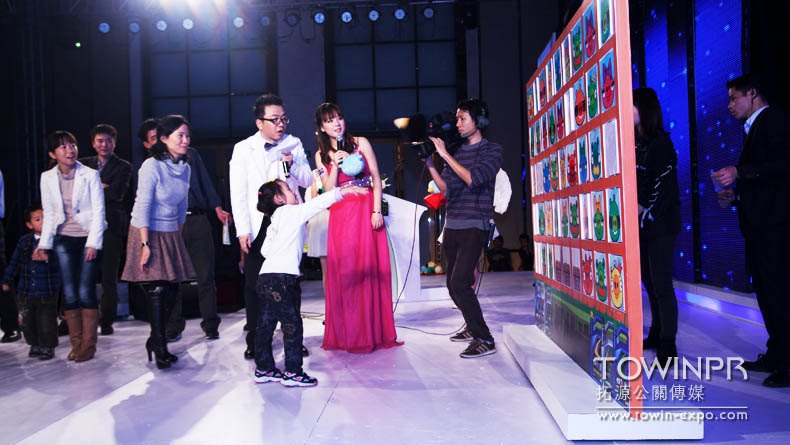 \n
Guangzhou · Hotel ballroom · Review, awards and gala dinner
 \n
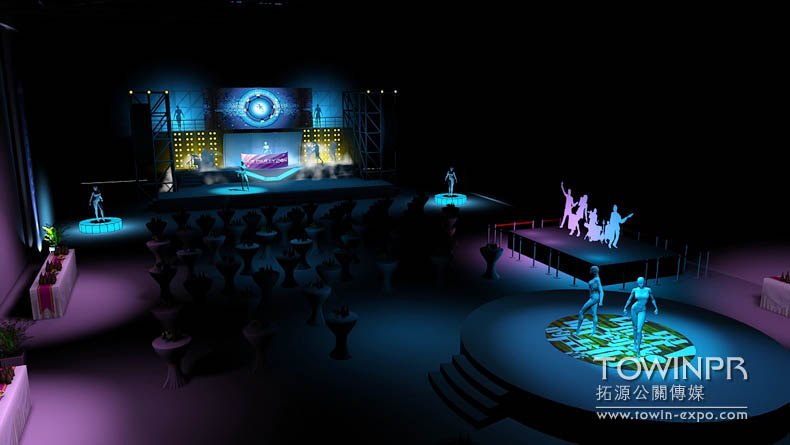
Guangzhou · Annual meeting combined with anniversary celebration