
Service Scope
01Venue first or theme first?
Set the venue's constraints first, then the theme. The reasons are practical:
| Venue first | Theme first |
|---|---|
| You know the ceiling height, load capacity, access times and power, so creativity works within what is feasible | The idea may be beautiful, but the venue can't do it — no rigging, no access, not enough power |
| The dates are fixed, so backward planning holds | The theme is set but the venue is unavailable, and the whole schedule collapses |
| The biggest uncertainty in the budget (the venue) is locked first | The budget is built on assumptions |
The correct order
Set objectives → set date → set scale and headcount → find the venue → set theme and creative → develop the proposal → execute. The theme comes after the venue, not before.
02What to look at in a venue
- Ceiling height and rigging pointsDetermine how tall the set can be and whether lights can be hung
- Clear dimensionsVenues quote gross floor area without deducting columns and walls — measure on site
- Access time and routeHow long the build takes, how materials get in, lift capacity
- Power capacityTotal load for screens, lighting and sound
- Smoke machines permitted?Most indoor venues have smoke detectors and do not allow them
- ParkingUsually only about 30% of event headcount (varies by venue — confirm each one)
03Building the agenda: serve both media and customers
A launch usually has two audiences: media want "reportable moments", customers want "value they can understand". The agenda must serve both.
| Timing | Content | Serves |
|---|---|---|
| 30 min before | Check-in, product experience, media interview bookings | Media (footage) + customers (hands-on) |
| Opening | Brand film, executive address | Both |
| Core moment | Product reveal, unveiling / launch activation | Media (key visual) |
| Technical walkthrough | Product lead explains the technology or use cases | Customers (understanding value) |
| Experience | Demo, trial, interaction | Customers (building confidence) |
| After | Media interviews, customer meetings, open networking | Deeper engagement for each group |
Common problem
Give all the time to executive speeches, and media get no product footage while customers get no sense of value. The star of a launch should be the product, not the speeches.
04Timeline: from kick-off to show day
| Milestone | What must be done |
|---|---|
| T-90 days | Set objectives, budget, timing window and shortlisted venues |
| T-60 days | Sign the venue, appoint the agency, settle the theme direction |
| T-45 days | Lock the proposal, media list, start customer invitations |
| T-30 days | Design development, material orders, guest confirmation |
| T-14 days | Final video / slides, final run sheet, rehearsal plan |
| T-3 days | Load-in and build, equipment commissioning |
| T-1 day | Full rehearsal, contingency plans confirmed |
05What you need to prepare
- Brand and product materialsLogo source files, product images, technical specs, key selling points
- Visual directionPrimary colours, prohibited elements, executive preferences or sensitivities
- Guest listMedia, customers, KOLs categorised — each needs a different reception
- Speech contentExecutive script, product presentation script, video script
- Communications planPre-event teaser, on-the-day press release, post-event follow-up
CaseRelated projects
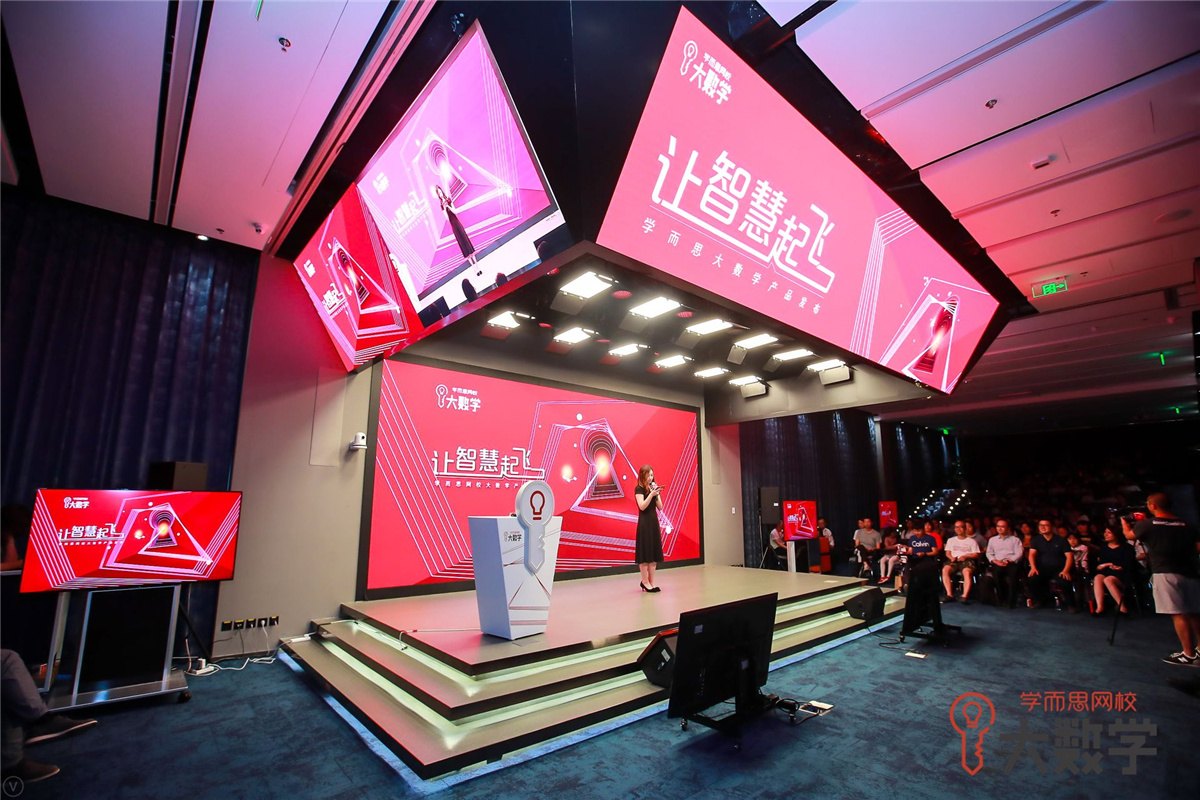
Course system launch · theme and agenda developed as one
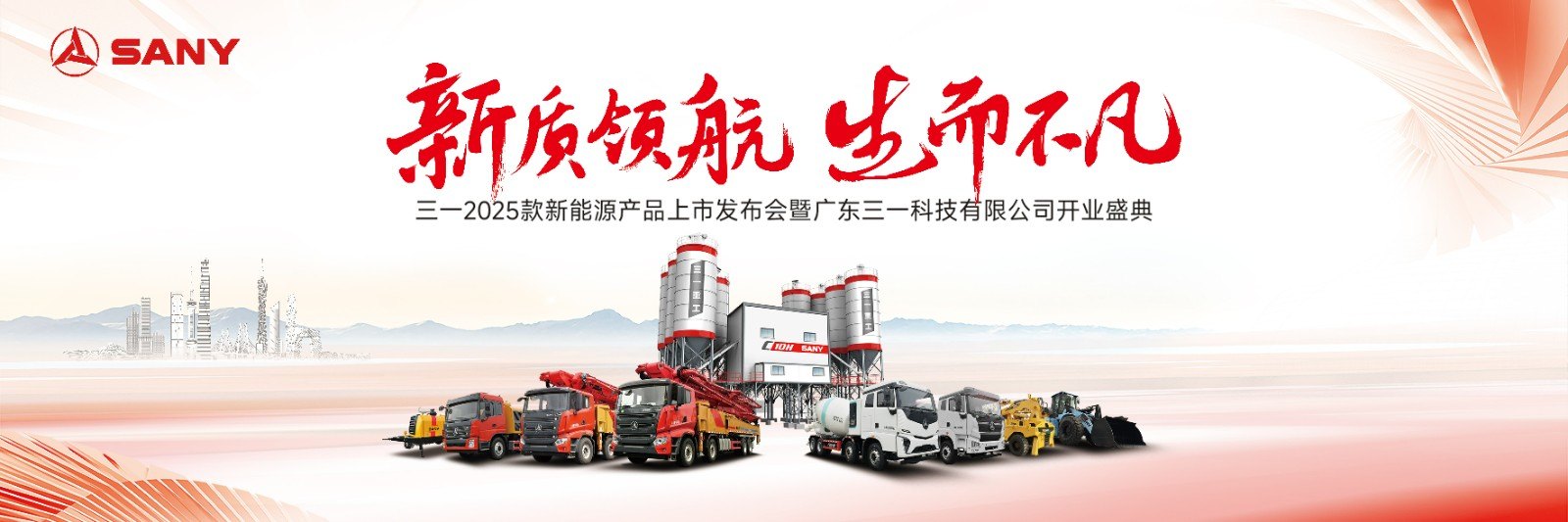
Launch ceremony combined with opening celebration