
01A real quote is far more granular than the "five buckets"
The common shorthand is five buckets: venue, materials, performers, staff and equipment. That is far too coarse to compare anything. On an actual quote, line items usually fall into these categories:
| Category | What's in it |
|---|---|
| AV equipment | Sound systems, lighting systems, LED screens, LCD TVs, projection |
| Materials and structure fabrication | Timber back walls / cabinets / counters / steps, light boxes, 3D lettering, steel frames, truss, standard booths, large-format printing, portable displays, furniture, fresh flowers |
| Show-flow materials | Digital quick printing, activation props, acrylic, security screening equipment, conference software, video editing |
| Execution support | Labor (build / execution / supervision / coordination / directing / artworking / rigging / cleaning), design services, transport, travel |
| Build execution | On-site build, teardown, construction management |
| Talent booking | Hostesses, models, performers (Chinese orchestra / Western orchestra / band), MCs |
| Photo, video and livestream | Photography, videography, aerial, vision mixing, livestream, jib, broadcast channels |
| Simultaneous interpretation | Interpretation booths, simultaneous / consecutive interpreters |
| Rentals | Furniture, appliances, tents and other short-term rentals |
| Procured on your behalf | Bottled water, paper cups, tissues, confectionery and other on-site consumables |
| Hospitality | Hotels, catering, transfers |
| Third-party costs | Venue rental, permits, insurance, vehicle passes |
The same thing can sit in different categories. A "meeting table" is a rental if hired and a materials item if bought; a "projector" is AV as equipment rental, but its on-site setup falls under execution. When reading a quote, know which bucket it is in — otherwise you cannot compare suppliers line by line at all.
02AV equipment: two completely different pricing models
This is where quotes vary most, and where the distinction matters most.
Model one: a fixed package by scale tier
For sound and lighting, the industry norm is to set tiers by event size and quote a package:
| Tier | Headcount | Venue |
|---|---|---|
| Ultra-small | Up to 50 | Indoor |
| Small | 100–200 | Indoor |
| Small-medium | 200–300 | Indoor |
| Medium | 300–500 | Indoor |
| Medium-large | 500–700 | Indoor |
| Large | 1,000+ | Indoor or government conference |
Each tier maps to a fixed equipment package. Take sound for a 200–300 person indoor event (small-medium tier): full-range speakers, subwoofers, monitor speakers, amplifiers, a professional mixing console, an audio processor, an effects unit, wireless microphones, antenna distribution, antennas, plus the sound engineer and loaders. The whole package is quoted at one price, not itemised down to single units.
Event scale directly determines equipment volume. A 50-person event and a 1,000-person conference need completely different speaker power, number of lighting positions and console grade. It is not "a few more units" — it is a different order of system.
Model two: unit price × quantity
LED screens and similar are usually priced on actual usage:
- Panels are priced per square metre, and the unit price changes with pixel pitch — P3 and P2.5 are different specifications; the finer the pitch, the sharper the image and the higher the price
- Video processors are priced per unit
- Splicing processors are priced per unit
- Technicians are priced per person
- Supporting TVs, structural support and cabling are listed separately
With per-square-metre pricing, clients are drawn to the unit price and overlook processors, structure and technicians — together these can approach the cost of the screen itself.
03The same item costs more or less depending on finish
Take a timber back wall. The same wall, by surface treatment:
| Finish | Look and durability | Best for |
|---|---|---|
| Laminate paper | Most basic, flat colour | Budget-first, single use |
| Adhesive vinyl print | Can carry complex graphics | Graphics-heavy content |
| Emulsion paint | Matte finish, needs workmanship | Large solid-colour areas |
| Veneer panel | Real texture | Where material feel matters |
| Baked enamel | Most refined, many processes | High gloss, strong brand tone |
Five methods, with visual quality rising (laminate is the most basic, baked enamel the most refined) and price rising in the same order. Add "single-sided" and "multi-layered" structures, and one back wall yields ten combinations.
Compare supplier A's quote with supplier B's: one may be quoting laminate, the other baked enamel. The price is double, yet both look like "a backdrop". Without asking about the finish, comparing prices means nothing.
04The seven items most often left out
- LaborThe quote lists materials and equipment but not the people to build, strike and run the show. On-site execution involves build crew, supervisors, coordinators, cleaners and service staff, priced per person or per person-day.
- Transport and accessMoving materials from warehouse to venue, unloading, overtime access fees. Often left "as incurred", so it cannot be budgeted.
- Power and cablingLighting, screens and sound all need power, but many quotes list only the equipment — no distribution boards, cables or temporary power permits.
- Construction management and drawing submissionCharged by the venue. The amount is small, but it is easily forgotten.
- OvertimeIf access time is short, crews work overtime, and overtime is billed separately.
- Teardown and waste removalStrike labor, rubbish removal, vehicle passes, construction permits, build passes.
- Design feesRenderings, construction drawings and graphic design are usually priced separately.
05Making several quotes comparable
Once you have several quotes in hand, do not compare the totals directly.
Step one: align the scope
Confirm that each one includes materials, labor, transport, power, management fee and tax. Ask for anything missing to be added or marked "excluded".
Step two: group by category
Sort each quote's line items into the categories above. You will usually find that A looks expensive in one category because labor is included there, while B's labor sits on another page.
Step three: compare unit prices, not totals
For like-for-like materials, compare the unit price (per square metre, per unit, per person-day). Where unit prices differ widely, ask whether the gap is in material, finish, brand or scope of service.
What the unit is (sqm / unit / person / person-day / item); what it includes (fabrication only, or installation too); and under what conditions the price changes (area, schedule, ceiling height, city).
07A 300-person launch: how the budget roughly splits
This is the most frequently asked concrete question. First, the conclusion: headcount alone cannot produce a quote, but you can set the structural proportions first.
| Category | Where it sits in the total budget |
|---|---|
| Venue | Usually the largest fixed line; hotel venues often carry a minimum spend that must be counted together with catering |
| Stage design and structure | Stage, backdrop, lighting truss — priced by area and structural complexity |
| AV equipment | Lighting, sound, LED — configured to the 300-person tier |
| Staff | Execution, supervision, hostesses, MC, photo and video — per person and per person-day |
| Communications | Media invitations, KOLs, press materials — the most flexible line |
| Materials and show flow | Check-in, badges, signage, gifts |
| Tax and management fee | Often missed; must be confirmed before signing |
| Contingency | Recommended, to cover on-site changes |
For the same 300 people, a five-star hotel in city A versus a conference centre in city B can differ several-fold on venue alone. Whether catering is included, whether it is a weekday, whether a livestream is needed — all of these change the structure. Any quote number divorced from conditions is worthless.
The workable approach: set the total budget range first, then agree the relative priority of each category. If the brand launch is about visual impact, tilt the budget towards stage design and AV; if it is about reach, tilt it towards media and content.
CaseRelated projects
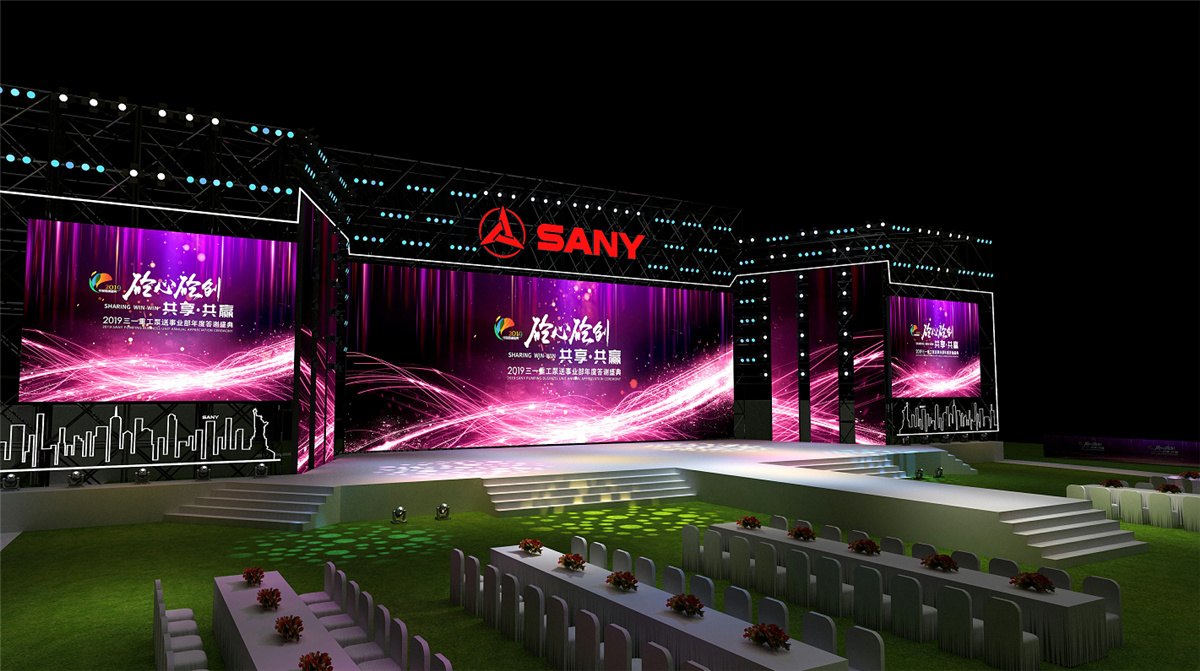
Sanya · 600+ clients and dealers
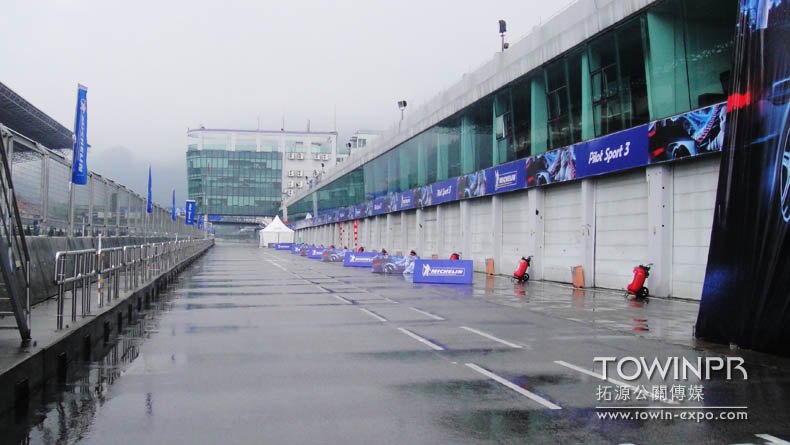
Zhuhai · approx. 200 people · test track